Keeping a DuoDERM dressing securely in place is an important part of aftercare following REEPOT laser treatment. REEPOT is a high-output laser treatment, so it is important to protect the treated area while the skin completes its healing process.
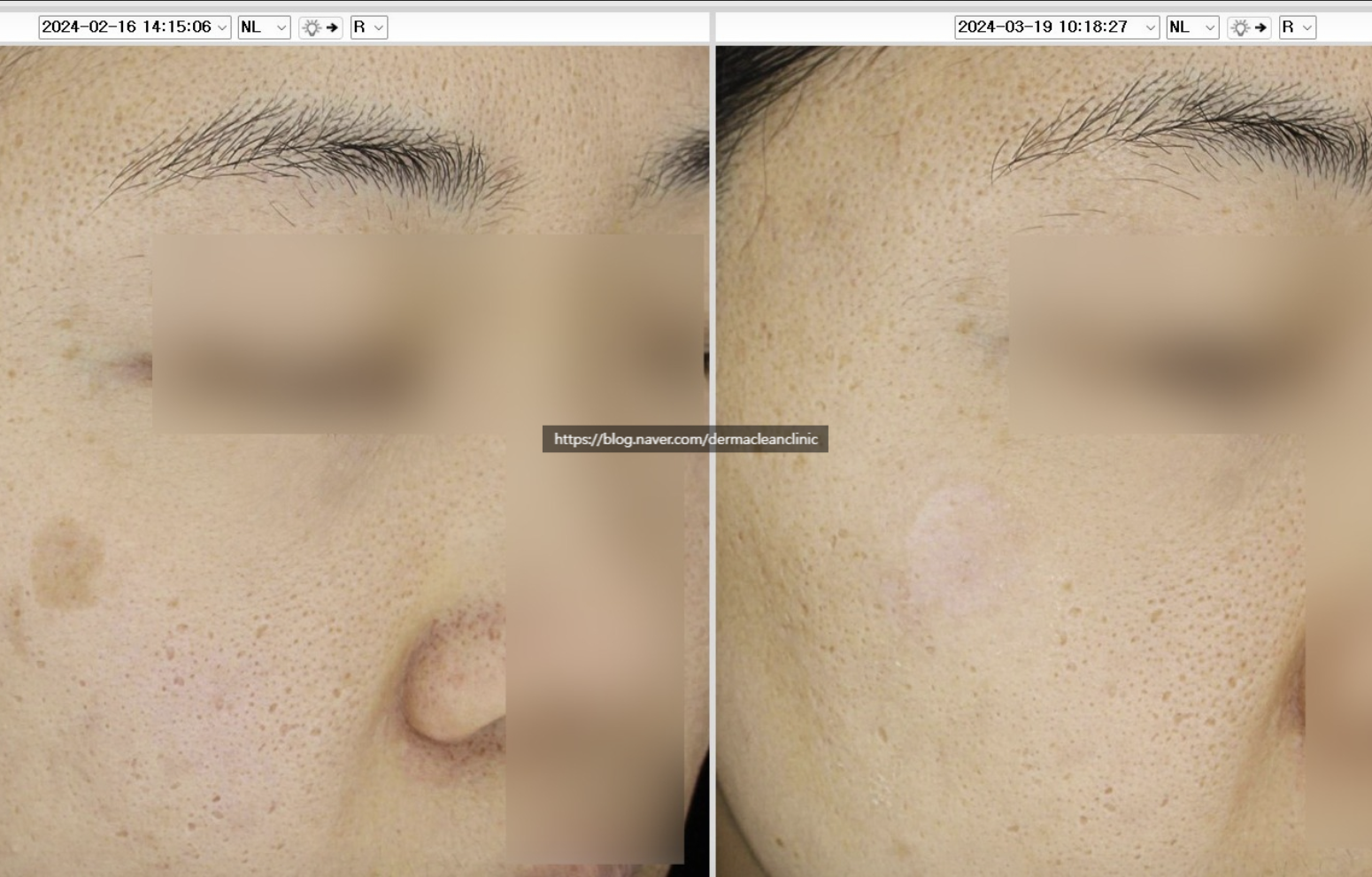
Depending on an individual’s healing characteristics, the skin around a treated area can look patchy during recovery even when treatment has been performed as intended. Keeping the dressing in place can help reduce this problem.
However, maintaining the dressing can be difficult. Oily skin, sleeping habits, and everyday conditions can cause it to loosen or become damaged. Not every instance of detachment means there is a problem, so the response should suit the condition of the treated area.
“My DuoDERM came off while I was asleep. Is that a problem?”
If the crust, or scab, underneath remains intact and firmly attached, that is a reassuring sign. DuoDERM is used primarily to preserve and protect the crust for two to three weeks, rather than as a treatment in itself.
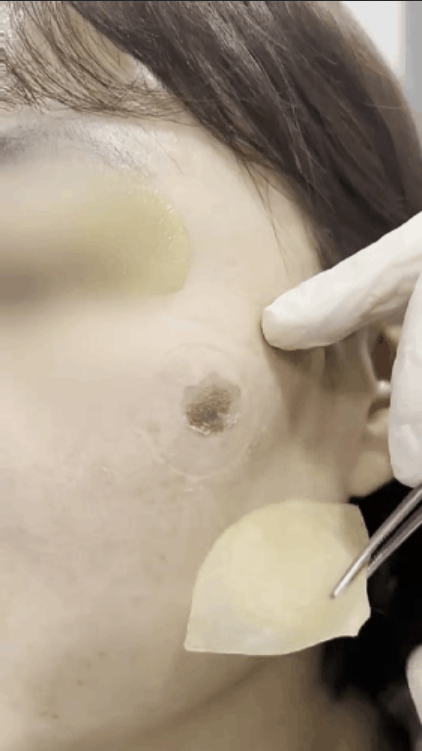
If the dressing has detached but the crust is still well preserved in its original position, apply a clean, fresh DuoDERM dressing over it. Detachment alone is not necessarily a reason for alarm in this situation.
“The crust seems to have come off with the dressing. Is that serious?”
The appropriate response depends on how much time has passed since treatment. If at least two weeks have passed, this is generally the stage at which the dressing may be removed and care may move on to an ointment or moisturizer.
If you remain worried, put a new DuoDERM dressing over the area and arrange an assessment earlier than the planned follow-up visit.
The situation is different if the dressing comes off only a few days after treatment and the crust is damaged. This calls for a more active response.
Early damage, oozing, or inflammation needs prompt attention
If the crust is lost prematurely and the area is damaged, the wound still needs protection. DuoDERM or another material that can absorb wound fluid and protect the area may be used. An early clinical assessment is advisable so that appropriate care can be arranged.
When inflammation is substantial, a clinician may need to prescribe oral medicines, such as steroid anti-inflammatory medicines or antibiotics. Depending on the situation, injections or changes to the dressing method may also be considered. Closer follow-up at shorter intervals, such as every two to three days, may be needed.